Introduction
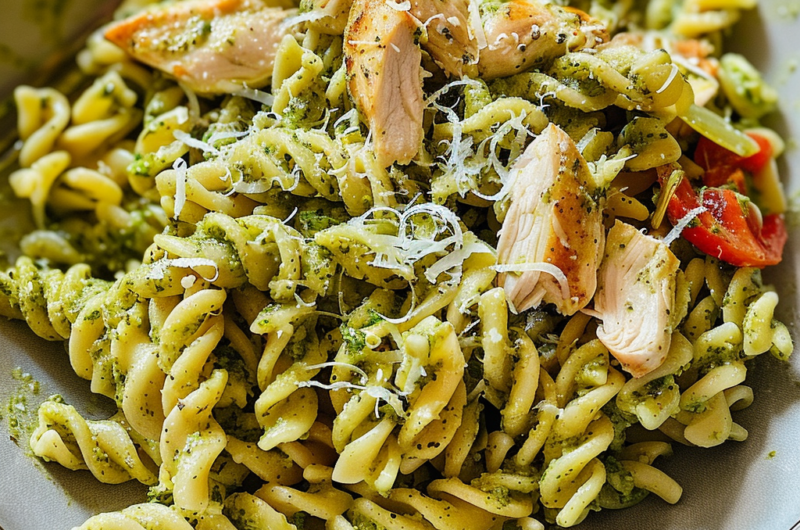
Chicken Pesto Pasta is a delightful dish that brings together tender chicken, vibrant basil pesto, and perfectly cooked pasta. This dish not only bursts with flavor but also offers a comforting texture that makes it perfect for any occasion, whether it’s a busy weeknight or a special dinner with friends.
The marriage of juicy chicken and aromatic pesto creates a harmonious blend that’s satisfying and fresh. By using quality ingredients and a few simple techniques, you can elevate this dish into a weeknight favorite.
With minimal preparation and cooking time, Chicken Pesto Pasta allows home cooks to create a meal that feels gourmet without the fuss. Let's explore the ingredients and cooking methods that will help you create this wonderful dish.
Ingredients
- 12 ounces pasta (penne or fusilli)
Pasta serves as the foundation of this dish, providing bulk and texture. Penne or fusilli are excellent choices, as their shapes hold onto the sauce effectively, ensuring each bite is flavorful. - 2 cups cooked chicken, diced
Cooked chicken adds protein and makes the dish hearty. Using pre-cooked rotisserie chicken can save time and add a flavor boost, but you can also pan-sear or grill your chicken for a fresh taste. - 1 cup basil pesto
Pesto is the star of this dish, imparting its signature green color and robust flavor. Fresh basil, garlic, pine nuts, and parmesan cheese combined in this sauce bring a delightful freshness that complements the chicken perfectly. - 1/2 cup cherry tomatoes, halved
Cherry tomatoes provide a burst of sweetness and acidity, balancing out the richness of the pesto. Their vibrant color enhances the dish’s visual appeal, making it more inviting. - 1/4 cup grated Parmesan cheese
Parmesan cheese adds a salty, nutty flavor that deepens the dish’s overall taste. Using freshly grated cheese can elevate the flavor profile beyond pre-packaged options. - Salt and pepper to taste
Seasoning is essential for enhancing flavors. The right amount of salt and pepper can elevate all the ingredients, highlighting the freshness of the pesto and the savoriness of the chicken. - 2 tablespoons olive oil
Olive oil is used for sautéing the chicken and sometimes to thin the pesto. It also adds a pleasant richness to the dish and helps transport the flavors.
Directions & Preparation
Step 1: Cook the pasta according to package directions.
Cooking the pasta to al dente is important, as it will continue to cook slightly once combined with the sauce. This texture helps prevent it from becoming mushy while ensuring it can hold sauces effectively. Remember to salt the water, enhancing the pasta's flavor.
Step 2: While the pasta cooks, heat olive oil in a large skillet over medium heat.
Heating the olive oil before adding ingredients creates a non-stick surface and enhances its flavor. This step ensures that any ingredients added to the pan will cook evenly and develop a slight golden crust, which enhances overall taste.
Step 3: Add the diced cooked chicken to the skillet and sauté until heated through.
Sautéing the chicken allows it to absorb the flavors of the oil and any seasonings you add, enhancing its taste. This step helps ensure your chicken is warm and juicy when combined with the other ingredients, adding to the overall satisfaction of the dish.
Step 4: Add the cherry tomatoes and cook for another 2-3 minutes.
Cooking the cherry tomatoes lightly warms them and releases their juices, creating a refreshing burst of flavor. This step adds depth to the dish while ensuring the tomatoes retain a slight firmness, offering a delightful contrast to the tender chicken and pasta.
Step 5: Drain the pasta and add it to the skillet.
Draining the pasta ensures that excess water does not dilute the dish. When adding the pasta to the skillet, it's helpful to use tongs to gently mix everything together, allowing the heat from the skillet to combine all the ingredients thoroughly.
Step 6: Stir in the basil pesto and mix to coat the ingredients evenly.
This step is crucial as it melds the flavors together; the warm pasta and chicken are perfect for absorbing the pesto. Ensuring an even coating means every bite of your Chicken Pesto Pasta will be flavorful, making the dish cohesive and delicious.
Step 7: Add grated Parmesan cheese and toss to combine.
Grating the cheese fresh and adding it at this stage allows it to melt slightly, creating a creamy texture that further enhances the dish. Tossing the cheese with the pasta and pesto ensures it spreads evenly throughout, enriching the overall flavor profile.
Step 8: Season with salt and pepper to taste and serve immediately.
Taste-testing the dish at this stage allows for final adjustments to the seasoning, letting you customize the dish according to your preference. Serving it immediately ensures that the pasta is at its best texture and temperature, inviting your guests to enjoy it right away.

Unlocking the Secret to a Vibrant Pesto
The key to a flavorful pesto lies in allowing the ingredients to synergize. If you're making your own from scratch, use fresh basil and quality Parmesan to capture that aromatic strength. Also, to prevent browning, add lemon juice immediately after blending, which enhances freshness while maintaining the vibrant green color throughout your dish.
Choosing the Right Chicken: Rotisserie vs. Fresh
Deciding between rotisserie chicken or cooking fresh chicken can depend on your time and flavor preferences. Rotisserie chicken is convenient, packed with flavor, and saves preparation time, while fresh chicken offers control over the cooking process and allows for added flavoring through spices and marinades.
The Role of Texture in Chicken Pesto Pasta
Texture plays an essential role in Chicken Pesto Pasta. The tender chicken contrasts beautifully with the al dente pasta, while the cherry tomatoes provide a juicy burst of flavor. Additionally, coarse Parmesan adds a delightful bite. These varying textures create a more dynamic and enjoyable meal experience, enhancing both visual and gustatory pleasure.
FAQs
What if my pesto is too thick for the pasta?
If your pesto is too thick, adding a splash of pasta cooking water or a little olive oil can help thin it out, ensuring a smoother sauce integration with the pasta.
Can I add vegetables to my Chicken Pesto Pasta?
Absolutely! Adding vegetables like spinach, zucchini, or bell peppers will boost nutrition and add extra flavor. Slightly sauté them with the chicken to maintain texture.
What can I do if my chicken turns out dry?
If your chicken is dry, consider adding a splash of chicken broth to the chicken while sautéing, which helps reintroduce moisture and enhance flavor without compromising the dish.
Is there a way to make this dish less rich?
To reduce the richness, try using less pesto or substituting some with fresh lemon juice for acidity, which can brighten the flavors without adding heaviness.
How can I make my Chicken Pesto Pasta more filling?
To make the dish more filling, you can serve it with a side salad or garlic bread. Adding a protein like chickpeas or swapping out some pasta for roasted vegetables can also increase the heartiness.
What's the best type of pasta to use for this dish?
While penne or fusilli is favorable, you can also use spaghetti or farfalle. Opt for pasta shapes that can hold onto the sauce effectively for the best flavor experience.
Conclusion
Chicken Pesto Pasta exemplifies how simple ingredients can come together to create a memorable meal. By blending textures, flavors, and colors, this dish not only fills the stomach but also pleases the eyes.
Feel free to experiment with variations or additions to suit your tastes—this dish is wonderfully versatile. Enjoy the satisfaction of creating a homemade meal that feels special, yet is easy to prepare.
Recipe Card
Notes
Additional serving suggestions: pair with a crisp salad, garlic bread, or roasted seasonal vegetables for balance.
For make-ahead, prep components separately and assemble just before heating to preserve texture.
Taste and adjust with acid (lemon/vinegar) and salt right at the end to wake up flavors.