Introduction
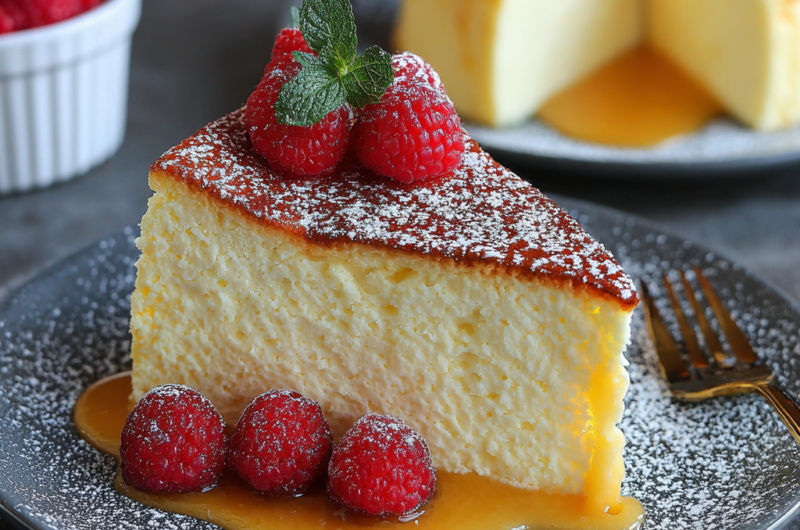
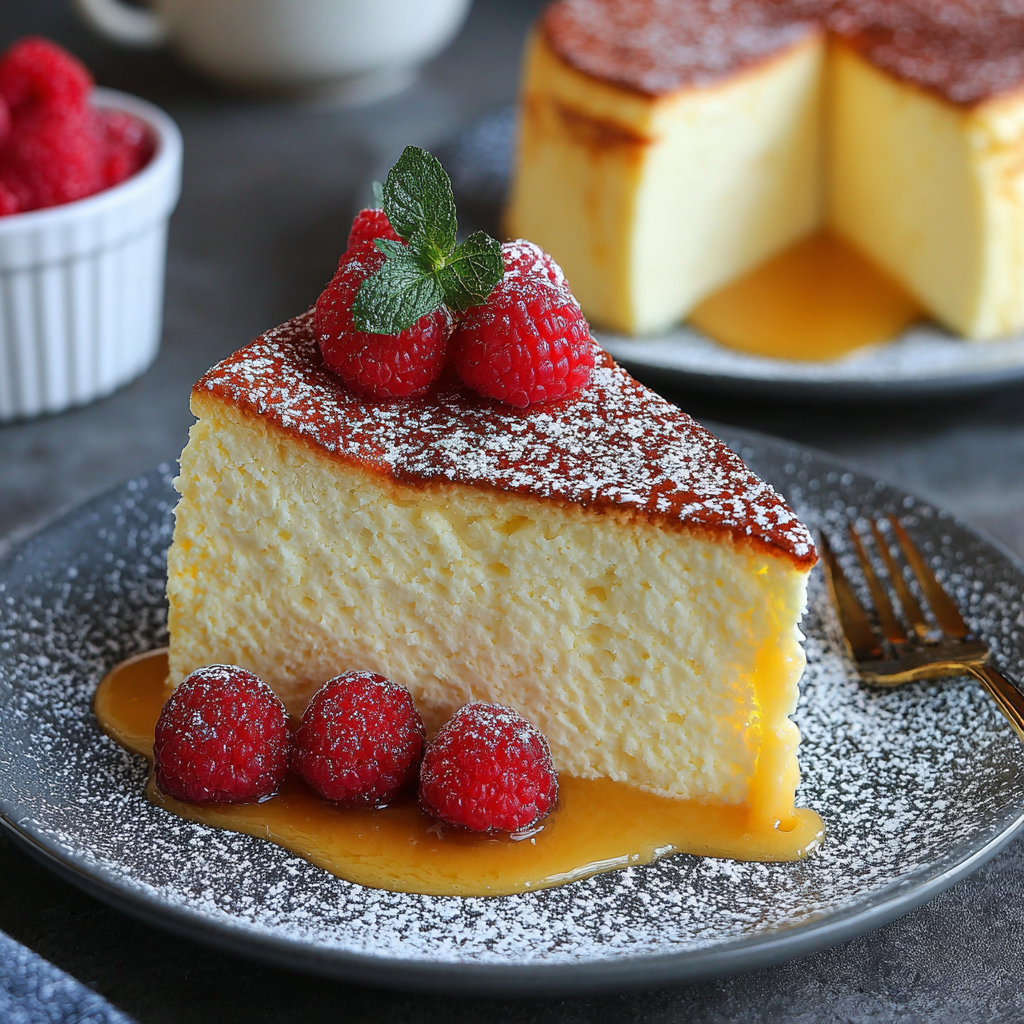
Japanese cheesecake, often referred to as 'soufflé cheesecake', offers a light and airy alternative to traditional cheesecake. Its signature jiggly texture and subtle sweetness have won the hearts of many dessert lovers around the world. This delightful cake is not just a treat for the taste buds but also a visual masterpiece, making it perfect for any occasion.
What distinguishes Japanese cheesecake is its combination of the richness of cream cheese and the fluffiness of whipped egg whites. The result is a dessert that is both creamy and cloud-like, which melts in your mouth. This recipe will guide you in creating this elegant cake at home, where the process can be as enjoyable as the outcome.
Ingredients
- 250g cream cheese
Cream cheese gives the cheesecake its rich flavor and creamy texture. It serves as the primary ingredient, binding the other components and providing a base for the cake. - 50g unsalted butter
Butter adds richness to the cheesecake and assists in the melting process of the cream cheese. It also helps create a moist texture while contributing to the cake's flavor. - 100ml milk
Milk adds moisture to the batter, helping to create the soufflé-like texture. It also ensures the mixture is smooth and easily combined. - 3 large eggs, separated
Egg yolks provide richness and flavor, while the whipped egg whites are crucial for the cake's rise and airy texture. This separation is key in achieving that distinctive jiggly quality. - 60g granulated sugar, divided
Sugar sweetens the dessert and plays a crucial role in stabilizing the egg whites when whipped. Dividing it ensures the yolks and whites are each properly sweetened. - 30g cake flour
Cake flour, being finer and lower in protein than all-purpose flour, helps achieve a lighter texture in the cheesecake. It provides structural integrity without making the cake dense. - 1/2 tsp vanilla extract
Vanilla enhances the overall flavor profile, adding a subtle aromatic complexity that balances the richness of the cheese. - A pinch of salt
Salt acts to enhance the flavors of the ingredients, elevating the sweetness while balancing the richness, creating a well-rounded dessert.
Directions & Preparation
Step 1: Preheat the oven to 160°C (320°F).
Preheating ensures that your cheesecake bakes evenly, which is essential for achieving its fluffy texture. An oven that isn't hot enough can lead to improper cooking, resulting in a cake that doesn’t set properly.
Step 2: Prepare a 7-inch round cake pan by lining it with parchment paper and wrapping the outside in aluminum foil.
Lining the pan prevents sticking, ensuring a smooth release when removing the cheesecake. The foil is important for a water bath, which helps maintain moisture during baking, preventing the cheesecake from cracking.
Step 3: In a saucepan, melt the cream cheese and butter over low heat with the milk, stirring until smooth.
Melting these ingredients together allows for a more even blend, resulting in a smoother batter. This step is crucial, as lumps in the cream cheese can lead to an uneven texture in the final cake.
Step 4: Remove the mixture from heat and let it cool slightly. Then, whisk in the egg yolks, sugar, and vanilla extract until fully combined.
Adding the yolks while the mixture is still warm ensures they blend well, contributing to a rich flavor without scrambling the eggs. This step also adds to the overall smoothness of the batter.
Step 5: Sift in the cake flour and a pinch of salt, then mix until just combined.
Sifting the flour prevents lumps and ensures a lighter batter. It’s important not to overmix at this stage to maintain the fluffy texture that characterizes Japanese cheesecake.
Step 6: In a separate bowl, whip the egg whites with the remaining sugar until stiff peaks form.
This step is vital, as the whipped egg whites provide the airiness for the cake. Stiff peaks mean that the whites will retain their structure and help the cheesecake rise during baking.
Step 7: Gently fold the whipped egg whites into the cream cheese mixture in three parts, being careful not to deflate the airy texture.
Folding gently maintains the airiness that’s been achieved in the egg whites. This is a delicate task and crucial for achieving the fluffy, soufflé-like consistency of the final cake.
Step 8: Pour the batter into the prepared pan, smoothing the top, and place it inside a larger baking dish filled with hot water (water bath).
The water bath provides gentle, moist heat that helps the cheesecake cook evenly and prevents it from cracking. This method is important for achieving that signature smooth surface.
Step 9: Bake for about 60 minutes or until the top is golden and the center still jiggles slightly.
Baking until the center jiggles but doesn’t slosh indicates that it’s set but still soft inside. Overbaking can lead to a dry texture, so keeping an eye on it is key.
Step 10: Turn off the oven and leave the cheesecake inside for another 15 minutes, then remove it from the oven and the water bath.
This gentle cooling process helps reduce the shock that can cause the cake to crack due to rapid temperature changes. It’s a simple step that can ensure a beautiful finish.
Step 11: Allow the cheesecake to cool at room temperature before refrigerating for at least 4 hours or overnight.
Cooling at room temperature allows the flavors to develop, while refrigerating helps the cake firm up, making it easier to slice. This patience pays off in taste and presentation.
Step 12: Once chilled, carefully remove from the pan, slice, and serve.
Removing the cheesecake can be tricky, but using a hot knife can help with clean cuts. Slicing and serving while chilled ensures that the texture remains light and fluffy, showcasing the beauty of your creation.

The Science Behind the Fluff
The unique texture of Japanese cheesecake stems from a delicate balance of ingredients and techniques. The primary factor is the aeration achieved by whipping the egg whites, which traps air bubbles, allowing the cake to rise without relying heavily on flour. This results in a tender crumb that is not only light but also has a melt-in-your-mouth quality, which is the hallmark of this delicacy.
Serving Suggestions for Elegance
Japanese cheesecake is delightful on its own, but it can be further enhanced with a few thoughtful accompaniments. Consider pairing it with seasonal fruits like fresh strawberries or a drizzle of matcha or chocolate sauce. A light dusting of powdered sugar can add an elegant touch, making this cake not just a dessert, but a centerpiece for any gathering.
Adjusting for Unique Preferences
While this recipe offers a classic take on Japanese cheesecake, it can be adapted to suit various tastes. For those looking for a hint of citrus, adding lemon or yuzu zest can provide a refreshing brightness. Alternatively, a splash of rum or a different extract can introduce new flavor profiles, making this versatile cake a canvas for creativity.
FAQs
What if my cheesecake came out too dense?
If your cheesecake is dense, it may be due to overmixing the batter or under whipping the egg whites. Ensure you fold gently and whip the whites to stiff peaks.
Can I use a different type of cheese?
While cream cheese is traditional, mascarpone or ricotta may provide a different flavor and texture, but may also require adjustments in sugar or moisture.
Why does my cheesecake have cracks on top?
Cracks can result from overbaking or a sudden temperature change. Avoid opening the oven door during baking, and cool slowly to prevent this.
Is it important to use cake flour instead of all-purpose flour?
Yes, cake flour's lower protein content creates a lighter texture. All-purpose flour might yield a denser cake, which differs from the classic Japanese cheesecake.
How can I achieve better height in my cheesecake?
Make sure to whip the egg whites to stiff peaks and gently fold them into the batter without deflating. This will enhance the rise.
What can I do if my cheesecake is too sweet for my taste?
If it’s too sweet, consider reducing the sugar in the cream cheese mixture next time. You can also serve it with a tart fruit sauce to balance the sweetness.
Conclusion
Creating Japanese cheesecake at home may seem challenging, but the results are incredibly rewarding. The light fluffiness combined with its rich flavor makes it a standout dessert that can impress anyone.
Embrace your creativity with this recipe, adapting it to fit your preferences and the seasons. With practice, you’ll master this elegant treat and enjoy it in various delicious forms.
Recipe Card
The Delicate Charm of Japanese Cheesecake
Ingredients
Method
- Preheat the oven to 160°C (320°F).
- Prepare a 7-inch round cake pan by lining it with parchment paper and wrapping the outside in aluminum foil.
- In a saucepan, melt the cream cheese and butter over low heat with the milk, stirring until smooth.
- Remove the mixture from heat and let it cool slightly. Then, whisk in the egg yolks, sugar, and vanilla extract until fully combined.
- Sift in the cake flour and a pinch of salt, then mix until just combined.
- In a separate bowl, whip the egg whites with the remaining sugar until stiff peaks form.
- Gently fold the whipped egg whites into the cream cheese mixture in three parts, being careful not to deflate the airy texture.
- Pour the batter into the prepared pan, smoothing the top, and place it inside a larger baking dish filled with hot water (water bath).
- Bake for about 60 minutes or until the top is golden and the center still jiggles slightly.
- Turn off the oven and leave the cheesecake inside for another 15 minutes, then remove it from the oven and the water bath.
- Allow the cheesecake to cool at room temperature before refrigerating for at least 4 hours or overnight.
- Once chilled, carefully remove from the pan, slice, and serve.
Notes
Additional serving suggestions: pair with a crisp salad, garlic bread, or roasted seasonal vegetables for balance.
For make-ahead, prep components separately and assemble just before heating to preserve texture.
Taste and adjust with acid (lemon/vinegar) and salt right at the end to wake up flavors.