Introduction
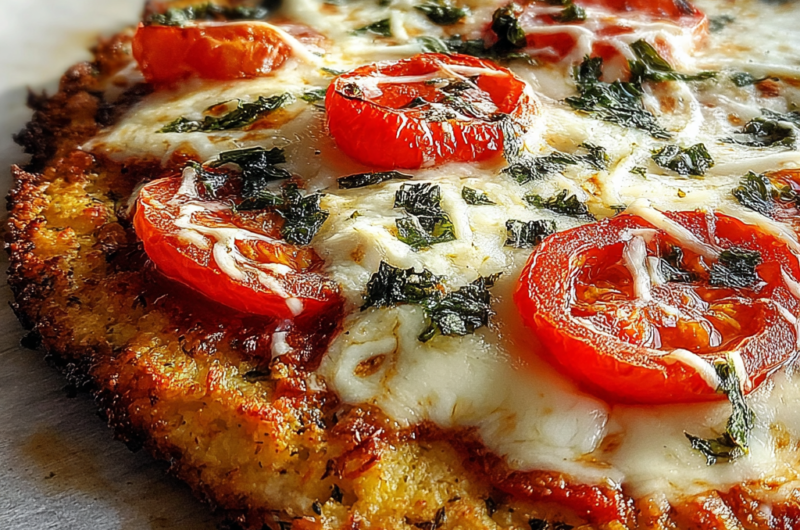
Cauliflower crust pizza has emerged as a popular alternative for those seeking a lighter, gluten-free option without sacrificing flavor or fun. This versatile dish transforms humble cauliflower into a delightful base, allowing for creative topping combinations that can satisfy any palate.
The beauty of cauliflower pizza lies not only in its health benefits but also in its adaptability. Whether you're a strict vegetarian, vegan, or simply in search of a low-carb option, this pizza can be tailored to meet your dietary preferences. Plus, with the right techniques, you can achieve a crust that's both crispy and flavorful.
As you embark on this cooking adventure, you'll discover that making cauliflower crust pizza is not just straightforward but also quite rewarding. From the initial stages of preparation to the final touches before serving, this recipe encourages creativity and experimentation in the kitchen.
Ingredients
- 1 large head cauliflower
The star of the dish, cauliflower provides structure to the crust. When finely grated and cooked, it becomes the perfect base, offering a subtle flavor that complements various toppings. - 1/2 cup grated Parmesan cheese
Parmesan adds a rich, savory flavor to the crust while also helping it to bind together. Its melting quality creates a pleasant texture, enhancing the overall experience of the pizza. - 1/2 cup shredded mozzarella cheese
Mozzarella is essential for that classic pizza feel. Its gooey texture and mild flavor meld perfectly with the cauliflower, making each bite deliciously satisfying. - 1 large egg
The egg acts as a binding agent, helping to hold the crust together. It also adds moisture and a bit of richness, which is crucial for achieving the right consistency. - 1/2 teaspoon garlic powder
This ingredient infuses the crust with savory undertones, elevating its taste. Garlic powder is a great way to enhance flavor without adding moisture. - 1/2 teaspoon dried oregano
Oregano lends an aromatic quality and a hint of earthiness to the crust, creating a more traditional pizza experience. It complements both the cauliflower and the toppings nicely. - Salt and pepper to taste
Seasoning is key in any dish. Salt enhances the flavors of the crust while pepper adds a subtle heat, allowing the other ingredients to shine.
Directions & Preparation
Step 1: Preheat your oven to 400°F (200°C).
Preheating the oven is a crucial first step in achieving a properly cooked pizza crust. It ensures an even baking process that allows the crust to become crispy without drying out.
Step 2: Prepare the cauliflower by removing the leaves and core, and chopping it into florets.
Removing the core and leaves ensures that you use only the tender parts of the cauliflower. This preparation allows for more even cooking and a better texture in the final crust.
Step 3: Steam the cauliflower florets until they are tender, about 7-10 minutes.
Steaming softens the cauliflower, making it easier to rice. This step is essential for creating a crust that holds together, as it releases excess moisture without overcooking.
Step 4: Once steamed, let the cauliflower cool slightly, then use a food processor to pulse it into fine 'rice'.
Ricing the cauliflower creates a fine texture that's essential for a good crust. This consistency mimics traditional pizza dough while maintaining a delicious cauliflower flavor.
Step 5: Transfer the riced cauliflower to a clean kitchen towel and wring out excess moisture.
Removing moisture is crucial; too much liquid will make it difficult for the crust to hold together. This step ensures a crispier texture and prevents soggy pizza.
Step 6: In a mixing bowl, combine the riced cauliflower, Parmesan, mozzarella, egg, garlic powder, oregano, salt, and pepper.
Mixing these ingredients creates a flavorful dough that binds together. Each element contributes to the structure and flavor, while also ensuring the crust has a comforting pizza essence.
Step 7: Transfer the mixture onto a parchment-lined baking sheet and shape it into a round crust.
Shaping gives your crust its distinct pizza form. Pressing it out evenly is key to achieving a uniform cooking time, allowing for crispy edges and a properly cooked center.
Step 8: Bake the crust for 25-30 minutes, or until golden brown.
Baking time is crucial for developing flavor and texture. Keeping an eye on the crust ensures that it reaches the desired crispness without burning.
Step 9: Remove the crust from the oven and let it cool slightly before adding toppings.
Allowing the crust to cool helps stabilize it, making it easier to handle. This step is important to ensure the toppings adhere properly without causing the crust to become soggy.
Step 10: Add your favorite pizza toppings and return to the oven for an additional 10-15 minutes.
The final baking allows the toppings to meld with the crust, enhancing flavors and creating that familiar pizza experience. Experimenting with toppings can lead to new favorites.
Step 11: Slice, serve, and enjoy your homemade cauliflower crust pizza!
Serving immediately ensures the crust remains crispy. Sharing this innovative pizza creation can inspire others to explore healthier cooking options while enjoying familiar flavors.

Flavor-Focused Toppings for Cauliflower Crust
When it comes to topping your cauliflower crust pizza, the options are nearly endless. Consider vibrant vegetables such as bell peppers, mushrooms, and spinach, which not only add flavor but also enhance the nutritional value. For those who enjoy a protein boost, grilled chicken, pepperoni, or even chickpeas can make for delightful additions. The key is to balance flavors and textures, ensuring that each topping complements the crispy cauliflower crust.
The Versatility of Cauliflower Pizza
One of the joys of cauliflower crust pizza is its versatility. Whether you're leaning towards a classic Margherita with fresh tomatoes and basil or a more unconventional combination like BBQ chicken with red onions, the crust adapts beautifully. Its neutral flavor profile allows for both traditional and creative toppings, appealing to diverse taste preferences. This adaptability means you can cater to various dietary needs while still enjoying a satisfying meal.
Beyond Pizza: Alternative Uses for Cauliflower Crust
While cauliflower crust pizza is undoubtedly a delicious dish, consider its potential in other culinary applications. You can use the same crust mixture for personal-sized flatbreads or serve it as a savory base for Mediterranean-style appetizers topped with hummus and veggies. This multifunctional crust offers a tasty twist to meals, encouraging home cooks to explore innovative uses beyond the conventional pizza experience.
FAQs
What can I do if my cauliflower crust is too thick?
If your crust turns out too thick, you can either shape it thinner the next time or adjust the baking time. Baking a flatter crust will help it cook through more evenly and achieve a better texture.
How do I prevent my cauliflower crust from being bland?
To enhance the flavor of your crust, ensure you fully season the mixture with salt, pepper, and spices. Additionally, using flavorful cheeses can elevate the taste and keep it exciting.
Why is my cauliflower crust falling apart?
If your crust crumbles, it's likely due to excess moisture. Be sure to thoroughly wring out the riced cauliflower before mixing in the other ingredients to ensure it binds well.
Can I add more ingredients to the cauliflower crust?
Yes, you can experiment with adding herbs, spices, or even finely diced vegetables to your crust. Just be cautious of adding too much moisture, which can affect its integrity.
What toppings work best with cauliflower crust?
Choose toppings that layer flavors without overwhelming the delicate crust. Vegetables, light meats, and flavorful sauces work well, while heavy toppings may weigh it down, causing sogginess.
Is it possible to reheat leftover cauliflower crust pizza?
Certainly! Reheat your pizza in the oven to preserve the crust's crispiness. A hot oven for a few minutes will refresh it better than a microwave, which can make it soggy.
Conclusion
Cauliflower crust pizza is more than just a trendy alternative; it's a testament to how simple ingredients can create something extraordinary. As you explore this recipe, you’ll likely find new flavor combinations and techniques to make it uniquely yours.
From preparing the crust to selecting toppings, this dish invites experimentation and encourages a healthier take on a beloved comfort food. With each pizza, you not only nourish your body but also delight your palate.
Recipe Card
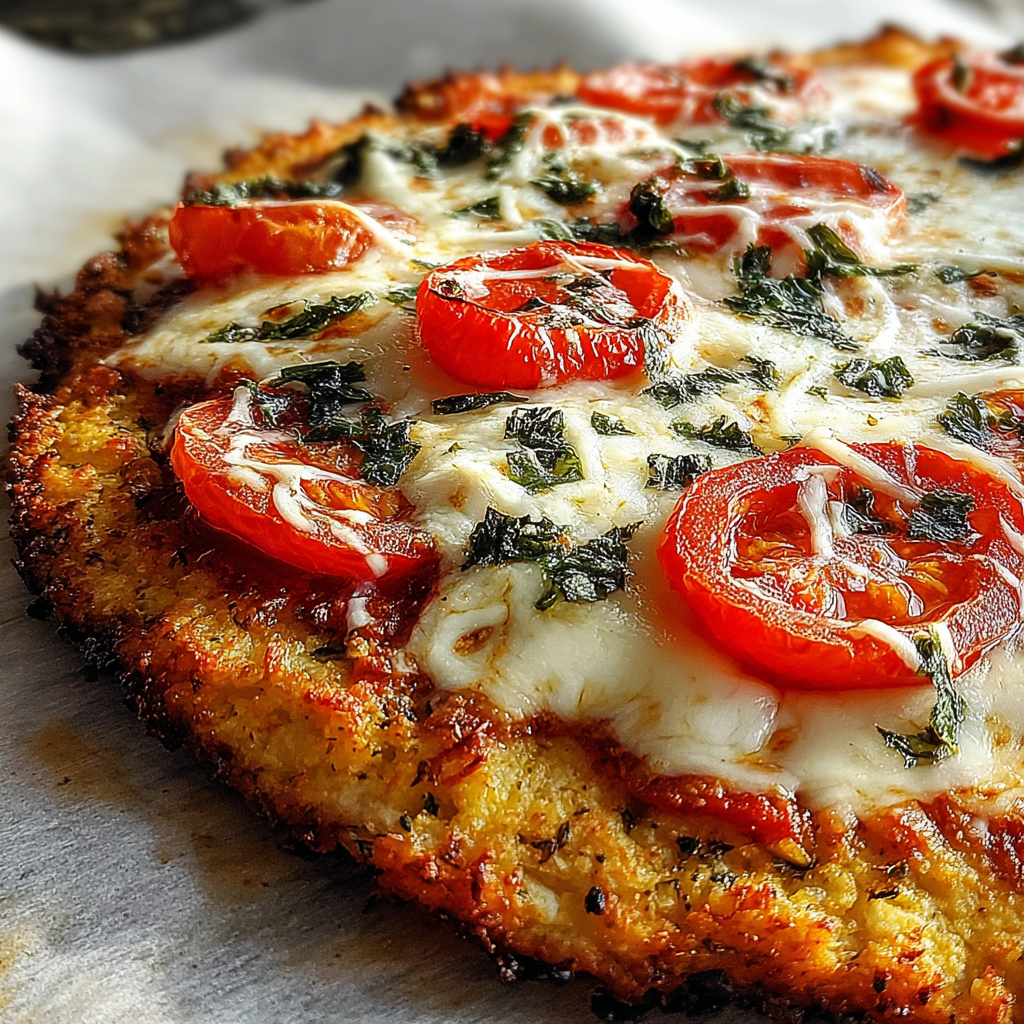
Innovative Approach to Cauliflower Crust Pizza
Ingredients
Method
- Preheat your oven to 400°F (200°C).
- Prepare the cauliflower by removing the leaves and core, and chopping it into florets.
- Steam the cauliflower florets until they are tender, about 7-10 minutes.
- Once steamed, let the cauliflower cool slightly, then use a food processor to pulse it into fine 'rice'.
- Transfer the riced cauliflower to a clean kitchen towel and wring out excess moisture.
- In a mixing bowl, combine the riced cauliflower, Parmesan, mozzarella, egg, garlic powder, oregano, salt, and pepper.
- Transfer the mixture onto a parchment-lined baking sheet and shape it into a round crust.
- Bake the crust for 25-30 minutes, or until golden brown.
- Remove the crust from the oven and let it cool slightly before adding toppings.
- Add your favorite pizza toppings and return to the oven for an additional 10-15 minutes.
- Slice, serve, and enjoy your homemade cauliflower crust pizza!
Notes
Additional serving suggestions: pair with a crisp salad, garlic bread, or roasted seasonal vegetables for balance.
For make-ahead, prep components separately and assemble just before heating to preserve texture.
Taste and adjust with acid (lemon/vinegar) and salt right at the end to wake up flavors.


