Introduction
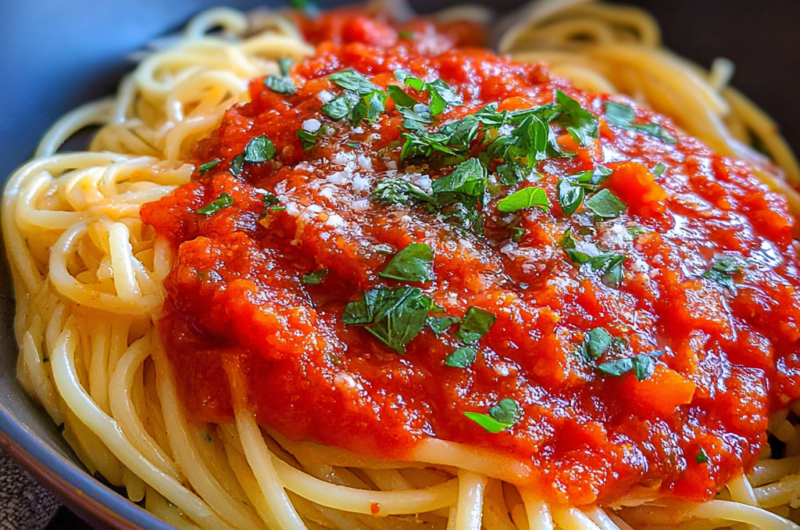
There’s something beautifully comforting about a pot of homemade marinara sauce simmering on the stove. The fragrance of garlic, fresh tomatoes, and herbs wafting through the kitchen can make anyone feel right at home. For many, this classic sauce is not just a recipe; it's a tradition passed down through generations.
Making marinara sauce at home is a rewarding experience that allows flexibility in taste while maintaining that rich, authentic flavor we all enjoy. With just a few fresh ingredients, you can elevate your pasta dishes and more with a sauce that beats any store-bought option.
Ingredients
- 2 tablespoons olive oil
Olive oil adds richness and depth to the sauce while also helping to sauté aromatics. It contributes healthy fats, enhancing flavor without overpowering the natural sweetness of the tomatoes. - 4 cloves garlic, minced
Garlic serves as the backbone of flavor in marinara, introducing a savory, pungent note that is essential. Freshly minced garlic provides a brighter taste compared to pre-minced or powdered options. - 1 can (28 ounces) crushed tomatoes
Crushed tomatoes form the base of your sauce. They bring a deep tomato flavor and the right texture, creating that luscious consistency that marinara is known for. - 1 teaspoon sugar
A hint of sugar balances the acidity of the tomatoes, allowing the flavors to meld harmoniously. This small amount can help to enhance the overall sweetness without making the sauce feel sugary. - 1 teaspoon salt
Salt is essential for enhancing the natural flavors of the ingredients. It acts as a flavor amplifier and ensures the sauce is seasoned just right, harmonizing with other components. - 1/2 teaspoon black pepper
Freshly ground black pepper introduces a mild heat and complexity to the sauce, elevating the taste without overshadowing the other flavors. - 1 teaspoon dried oregano
Dried oregano lends that unmistakable Italian flavor that evokes the aroma of rustic kitchens. It deepens the flavor profile, enriching the sauce with herbal notes that marry beautifully with the tomatoes. - 1/4 teaspoon red pepper flakes
For those who enjoy a little heat, red pepper flakes add a gentle spiciness to the sauce. Adjusting the amount allows you to control the heat level while enhancing the overall taste. - 1/4 cup fresh basil leaves, chopped
Fresh basil introduces a bright, aromatic freshness that complements the sauce perfectly. Adding it at the end of cooking preserves its vibrant flavor and appealing color.
Directions & Preparation
Step 1: Heat olive oil in a medium saucepan over medium heat.
Heating the olive oil properly is crucial as it adds the foundation for your sauce's flavor. The oil will begin to shimmer slightly, signaling that it's ready for the next ingredients. This process helps to release the natural flavors of the garlic without burning it.
Step 2: Add minced garlic and sauté until fragrant.
Adding the minced garlic at this stage allows it to infuse the oil with its flavor. Sautéing only until fragrant prevents bitterness that can occur if cooked too long. This step is about building layers of taste; the aroma released is your cue to proceed.
Step 3: Pour in the crushed tomatoes and stir to combine.
Incorporating the crushed tomatoes not only forms the heart of the marinara but also creates a beautiful color contrast with the golden oil. Stirring fully helps combine the garlic and oil into the tomatoes, ensuring an even flavor throughout the base.
Step 4: Add sugar, salt, black pepper, oregano, and red pepper flakes; mix well.
This step is crucial for balancing flavors. The sugar helps cut the acidity of the tomatoes, while the added spices together create a harmonious blend that defines your marinara. Adjusting these seasonings to taste at this point allows for personalization.
Step 5: Simmer the sauce uncovered for about 20-30 minutes.
Simmering the sauce gently allows the flavors to meld and develop complexity. The uncovered aspect helps condense the sauce slightly, thickening it while intensifying its flavor. Stir occasionally and keep an eye on the consistency.
Step 6: Stir in freshly chopped basil just before serving.
Adding basil at the end retains its vibrant flavor and brightens the overall sauce. This step not only infuses fresh notes but also contributes a pop of color, making your marinara visually appealing.

Understanding the Role of Each Ingredient
Every ingredient in your marinara sauce has its purpose beyond mere flavor. Olive oil forms a rich base; garlic introduces an essential savory note, while crushed tomatoes provide the liquid foundation. Sugar helps balance acidity, and seasonings allow for the personalization of flavors. Recognizing their roles can enhance your adjustments based on what you have on hand.
Customizing Your Marinara Sauce
Homemade marinara sauce offers a canvas for personalization. Adding more herbs, adjusting the heat level with more red pepper flakes, or even incorporating vegetables can elevate the sauce's complexity. Experimentation is key; feel free to play with additional ingredients like olives or bell peppers to make the sauce resonate with your palate.
Pairing Marinara Sauce with Dishes
While pasta is a classic pairing for marinara, this versatile sauce can enhance many meals. Use it as a base for pizza, in baked dishes like lasagna, or even as a dipping sauce for breadsticks. Embracing its versatility opens a range of dishes crafted using your homemade marinara sauce.
FAQs
Why did my marinara come out too thick?
If your marinara is too thick, you can add a little water or additional crushed tomatoes while simmering until you reach the desired consistency.
What can I do if my marinara tastes bland?
If the sauce tastes bland, try adding more salt or a splash of balsamic vinegar. These adjustments can enhance flavor depth and prevent any flatness.
Can I use fresh tomatoes instead of canned?
Yes, you can use fresh tomatoes. Blanch and peel them first, then chop; you’ll need about 2-3 pounds for this recipe to replicate the volume of one can.
Is it possible to reduce the acidity further?
To lower acidity, you could add a small pinch of baking soda, which neutralizes the acid, or incorporate more sugar, but do it in tiny increments.
How can I thicken my marinara without changing the taste?
To thicken without altering taste, consider simmering the sauce longer to evaporate some of the liquid or incorporate a small amount of tomato paste.
What herbs can I substitute if I don’t have oregano?
If you lack oregano, you might use dried basil or Italian seasoning, which usually contains a mix of herbs similar to those in marinara.
Conclusion
Creating homemade marinara sauce is a journey into the comforting world of Italian cuisine, emphasizing fresh ingredients and love for cooking. Each batch can be tailored to your taste preferences, making it a highly adaptable staple in your kitchen.
With practice, this simple recipe will help you develop a signature marinara that can elevate countless meals. Embrace the process, enjoy the fragrance of your simmering sauce, and savor the satisfaction of homemade goodness.
Recipe Card
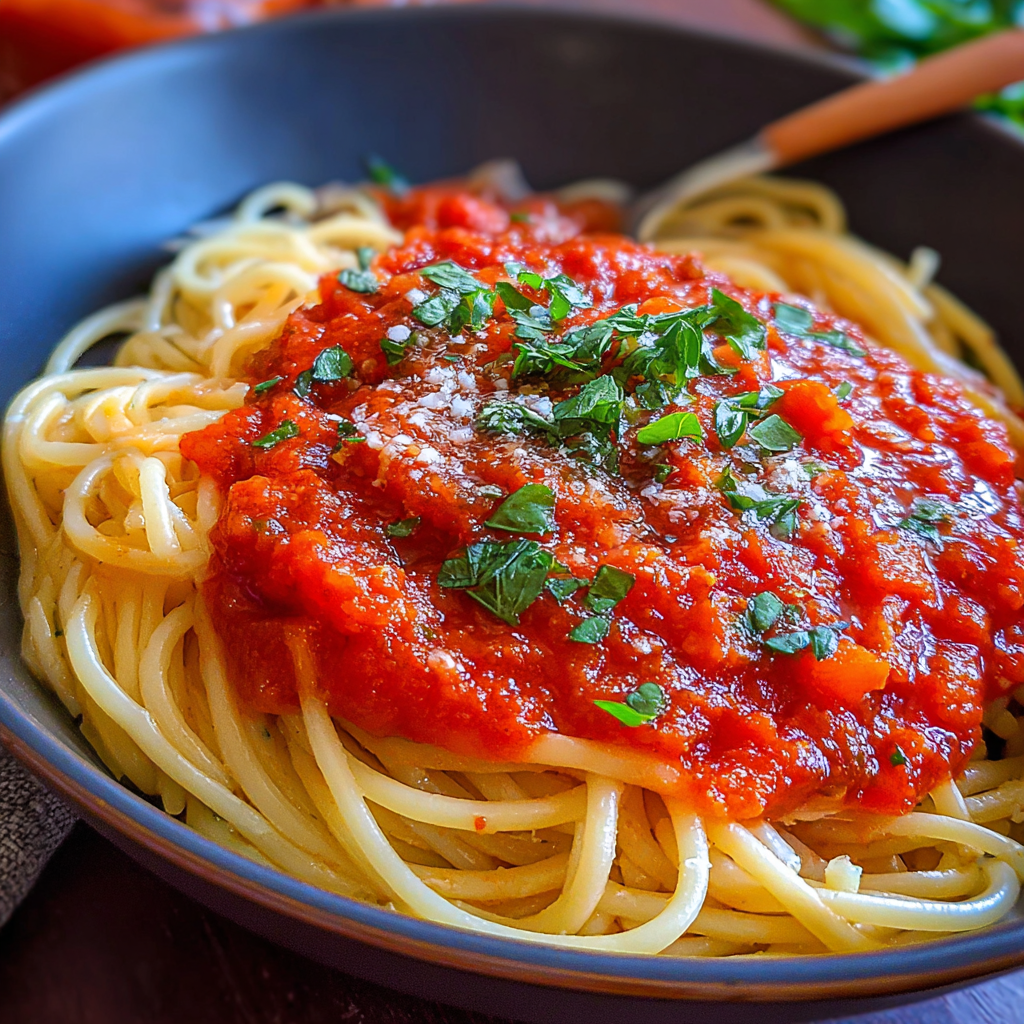
Create Authentic Homemade Marinara Sauce at Home
Ingredients
Method
- Heat olive oil in a medium saucepan over medium heat.
- Add minced garlic and sauté until fragrant.
- Pour in the crushed tomatoes and stir to combine.
- Add sugar, salt, black pepper, oregano, and red pepper flakes; mix well.
- Simmer the sauce uncovered for about 20-30 minutes.
- Stir in freshly chopped basil just before serving.
Notes
Additional serving suggestions: pair with a crisp salad, garlic bread, or roasted seasonal vegetables for balance.
For make-ahead, prep components separately and assemble just before heating to preserve texture.
Taste and adjust with acid (lemon/vinegar) and salt right at the end to wake up flavors.